Xivert Castle: Templar Fortress in Alcala de Xivert — History & Visit Guide
Discover Xivert Castle, a Moorish-Templar fortress spanning 8,000 m² in the Sierra de Irta. Just 8 km from Hotel Sancho III in Alcossebre.
Xivert Castle: A Thousand Years of History Above the Costa del Azahar
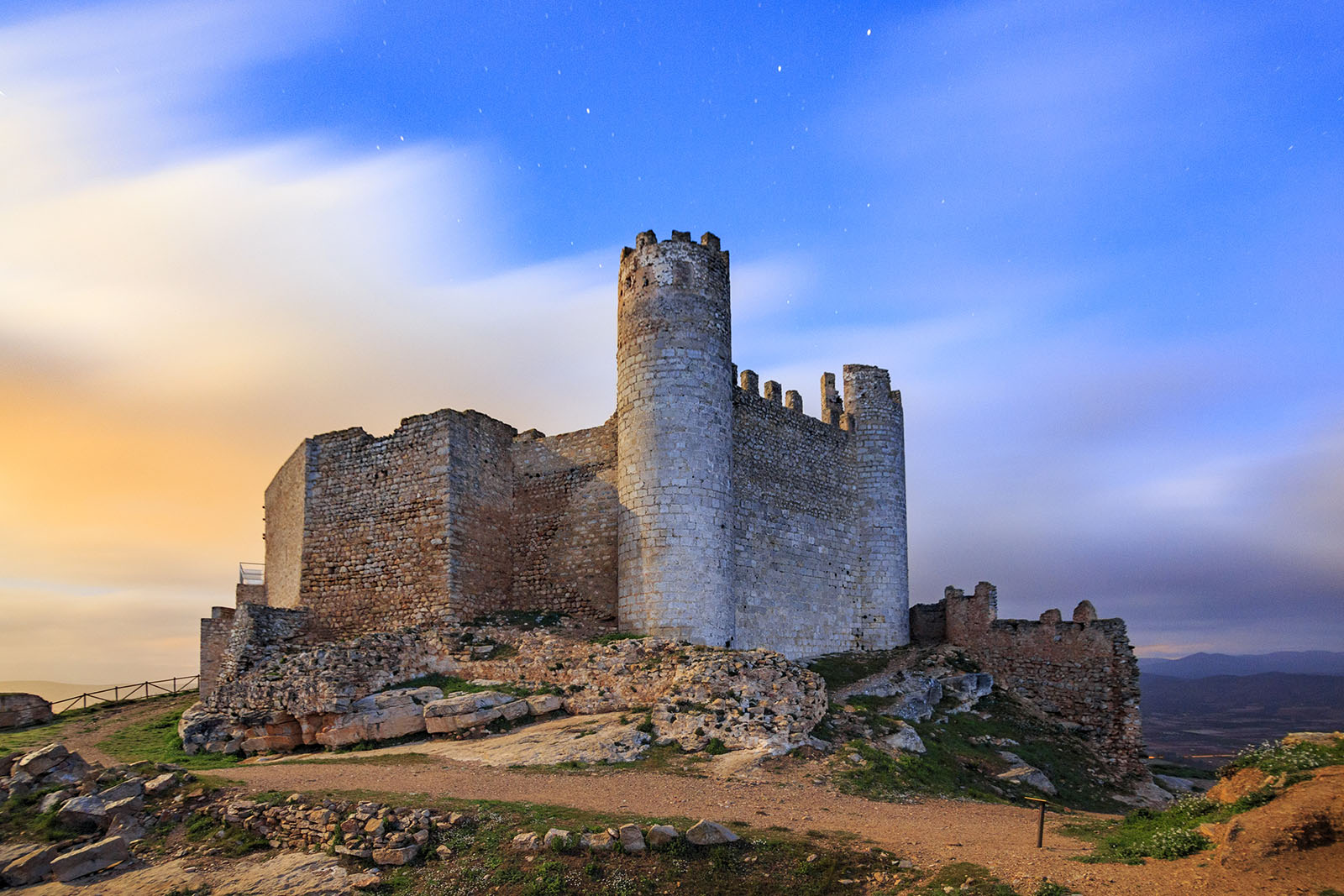
Perched on a hilltop along the south-western foothills of the Sierra de Irta, the Castillo de Xivert is one of the most impressive medieval fortresses on the Castellon coast. With roots stretching back to the 10th century and layers of Moorish, Templar and Montesa history built into its stones, this 8,000 m² fortress offers a fascinating journey through time — and some of the most spectacular panoramic views on the Costa del Azahar. From Hotel Sancho III in Alcossebre, the castle is just an 8 km drive inland.
A Brief History
The story of Xivert Castle mirrors the turbulent history of medieval Spain:
- 10th–11th century: The fortress was built by the Moors as a strategic stronghold controlling the road between Barcelona and Valencia. The name Xivert likely derives from the Arabic Šibart. The original castle included the outer walled enclosure, domestic quarters, and a sophisticated hydraulic network connecting the houses.
- 1234: King James I of Aragon conquered the castle during the Reconquista and handed it to the Knights Templar. The Templars transformed the fortress, adding imposing dressed-stone walls, twin circular towers, a Gothic chapel, and a stone-vaulted cistern near the citadel.
- 1312: After the Templar order was dissolved by the Pope, the castle passed to the Order of Montesa, who administered it throughout the late Middle Ages.
- Today: Listed as a Site of Cultural Interest (Bien de Interes Cultural), the castle is the subject of ongoing archaeological excavations that continue to reveal treasures from its long past.
What to See
The fortress is divided into three distinct zones, each telling a different chapter of its history:
- The Citadel (Alcazaba): The highest point of the castle and its military and political heart. Here you will find the keep, the Gothic chapel built by the Templars, spacious halls, and the remains of stables. The views from the top stretch across the flatlands to the Mediterranean Sea.
- The Albacar: A large walled enclosure below the citadel where the local population and their livestock took refuge during sieges. You can still trace the outlines of the defensive walls and gates.
- The Aljama: A walled settlement on the south-eastern slope where the Muslim community lived. Archaeological digs here have uncovered domestic architecture, including houses connected by a hydraulic water network — a remarkable feat of medieval engineering.
Architectural Highlights
Look out for these details as you explore:
- Twin circular towers: Added by the Knights Templar, these imposing towers are a hallmark of Christian military architecture and the castle's most recognisable feature.
- Kufic inscription: On the south-south-east side of the outer wall, a rare Arabic inscription in the Kufic script survives — a direct link to the castle's Islamic origins.
- Gothic cistern: A beautifully built stone-vaulted water cistern near the citadel, constructed by the Templars to ensure a water supply during long sieges.
- Semi-underground cistern: An earlier Moorish cistern adjacent to the outer wall, part of the original water management system.
Practical Information
- Location: Sierra de Irta, s/n, Alcala de Xivert, 12570
- Access: By car or on foot (2.8 km uphill walk from the town). The final stretch is an unpaved track — sturdy shoes are recommended.
- Duration: Allow 1 to 1.5 hours to explore the full site.
- Terrain: Uneven ground and stairs. Not suitable for wheelchairs or pushchairs.
- Contact: Alcossebre Tourist Office — tel. 964 412 205, [email protected]
- Best time to visit: Spring and autumn for comfortable temperatures. In summer, go early morning or late afternoon to avoid the heat.
Combine It with Alcala de Xivert
Before or after your castle visit, explore the charming town of Alcala de Xivert at the foot of the hill:
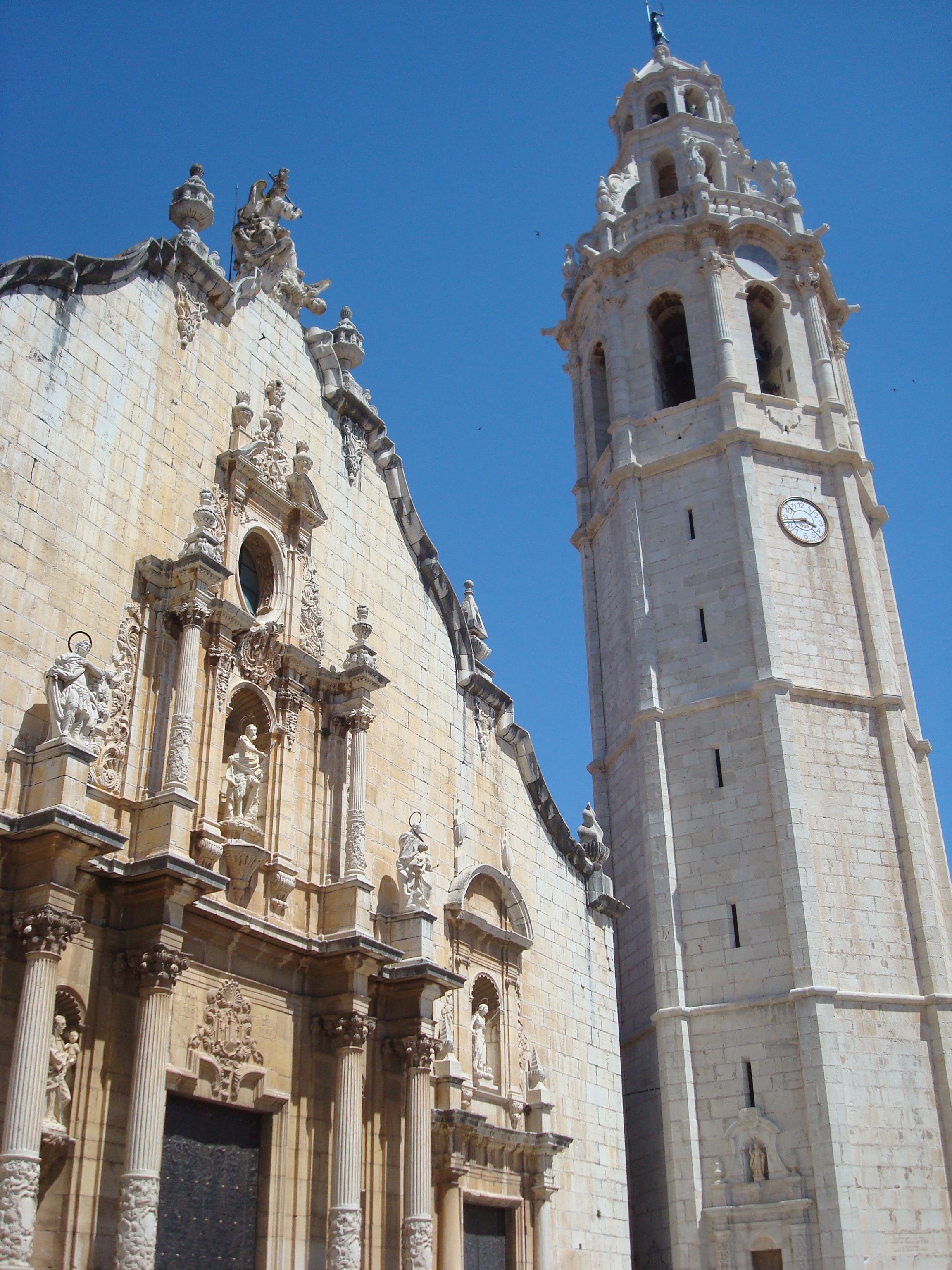
- The magnificent Iglesia de San Juan Bautista, a Baroque church with one of the tallest octagonal bell towers in the Valencian Community.
- The medieval old quarter with its narrow streets, stone archways, and traditional ceramic-fronted houses.
- Local bars and restaurants serving authentic inland cuisine — try the olla de la plana, a hearty traditional stew.
Getting There from Hotel Sancho III
Drive inland on the CV-142 towards Alcala de Xivert (8 km, about 10 minutes). From the town, follow signs to Castillo de Xivert. Park at the designated area and walk the final stretch uphill. The route is well signposted.
A Must-Visit for History Lovers
Xivert Castle is one of those rare places where you can stand in a single spot and see a thousand years of history layered into the walls around you — Moorish foundations, Templar towers, and the slow patient work of modern archaeologists piecing it all together. Combine it with a morning on the beach and lunch in Alcala de Xivert, then return to Hotel Sancho III for an afternoon by the pool. It is one of the most rewarding half-day trips on the Costa del Azahar.
Ready to explore?
Book your stay at Hotel Sancho III