
Sierra de Irta Natural Park: Complete Visitor Guide for Hikers and Nature Lovers
Everything you need to visit Sierra de Irta Natural Park near Alcossebre. Hiking trails, beaches, wildlife, access points and practical tips.
Sierra de Irta Natural Park: A Complete Guide
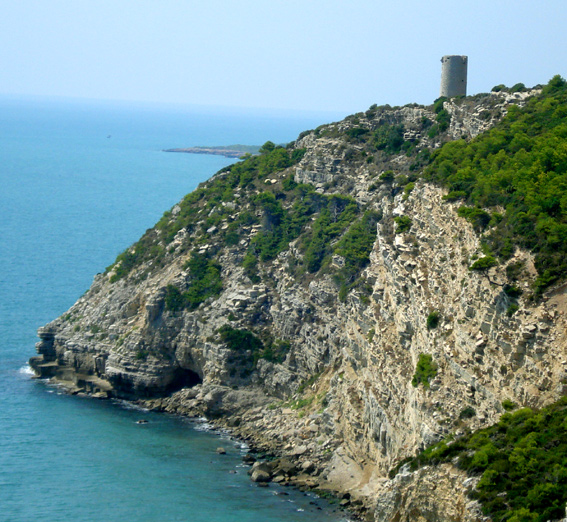
Stretching along 12 kilometres of unspoilt coastline between Alcossebre and Peniscola, the Sierra de Irta Natural Park is one of the last remaining stretches of undeveloped Mediterranean coast in Spain. With no roads, no buildings and no artificial lights, this protected landscape of rugged cliffs, hidden coves and pine-covered hills feels like stepping back in time.
Why It Is Special
Unlike much of the Spanish coast, the Sierra de Irta has been spared development entirely. The park covers 7,744 hectares of land and 2,448 hectares of protected sea. It is a haven for wildlife, including Bonelli's eagles, peregrine falcons, Hermann's tortoises and a rich marine ecosystem in its Posidonia meadows.
Best Hiking Trails
- Alcossebre to Cala Mundina (4 km, easy-moderate): A well-marked coastal path with dramatic views. Allow 1.5 hours each way. Reward yourself with a swim in the cove at the turnaround point.
- Circular Route via Torre Badum (8 km, moderate): This loop takes you past a 16th-century watchtower, through pine forests and along clifftop paths. Allow 3-4 hours with stops.
- Alcossebre to Peniscola (15 km, challenging): The full coastal traverse is a day-long adventure with significant elevation changes. Carry plenty of water and start early.
Beaches and Coves
The park's coastline hides some of the most beautiful wild beaches on the Mediterranean:
- Cala Mundina: A pebbly cove with exceptionally clear water, perfect for snorkelling
- Playa de Torre Badum: A longer stretch of sand backed by dunes and pine trees
- Cala del Moro: A tiny, secluded inlet only accessible on foot or by kayak
Wildlife to Watch For
Bring binoculars. The park is home to over 200 bird species, including ospreys and Audouin's gulls. On the ground, look for Hermann's tortoises and the ocellated lizard, one of Europe's largest lizard species. In spring, the hillsides burst with wild thyme, rosemary and rock roses.
Practical Information
- Access from Hotel Sancho III: The southern trailheads are a 10-minute drive or 30-minute walk from the hotel
- Entry: Free, no permit required
- Best season: Spring (March-May) and autumn (September-November) for hiking; summer for beaches
- Facilities: None inside the park. Bring food, water and sun protection
- Rules: No camping, no fires, no motorised vehicles off paved roads. Stay on marked trails
Ready to explore?
Book your stay at Hotel Sancho III